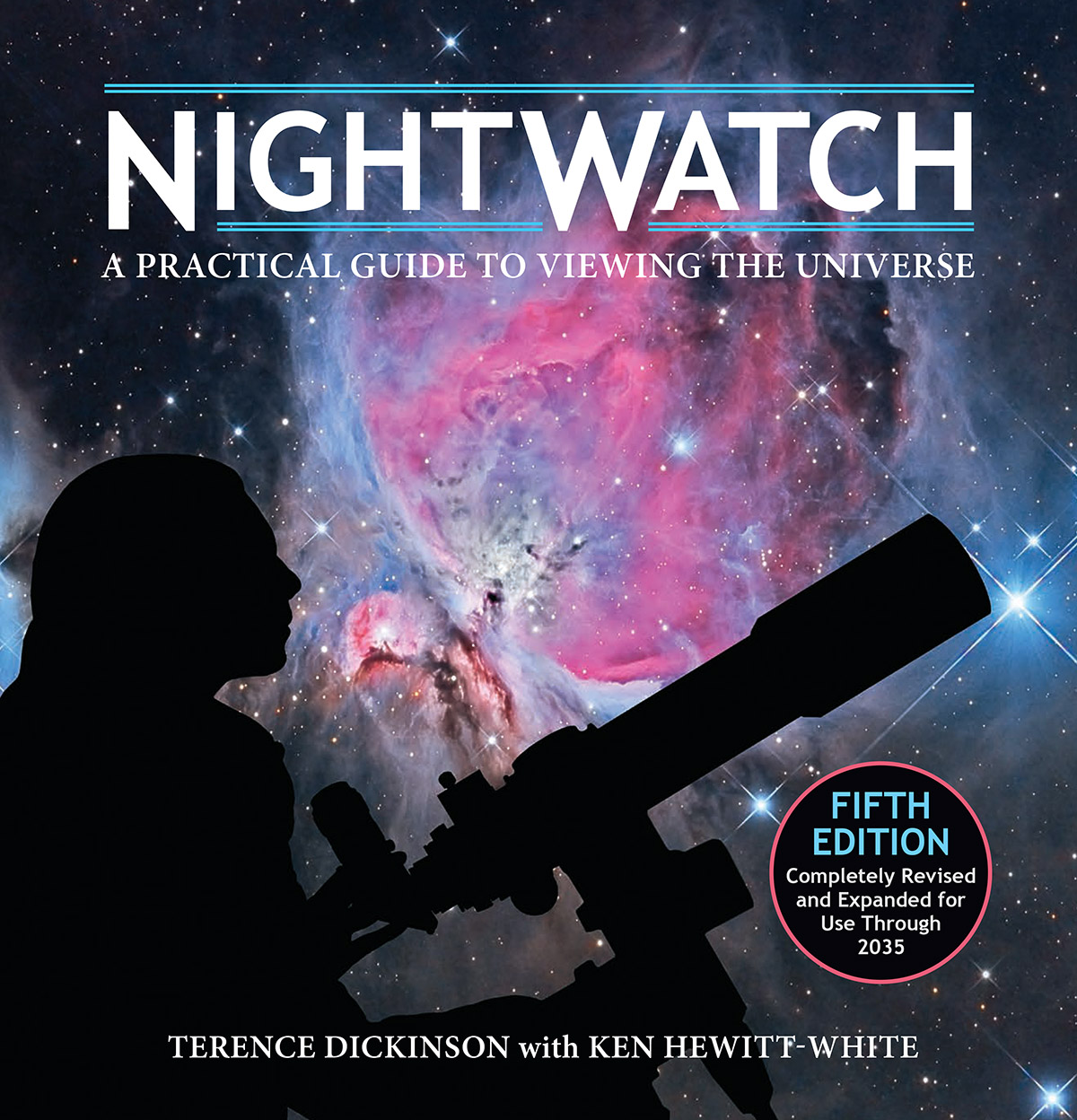

The Resources section at the end of NightWatch provides recommendations for books and magazines to help you delve deeper into amateur astronomy and includes advice on seeking out astronomy clubs, star parties, observatories and telescope dealers.
Of course, vast amounts of reference materials are now available on the Internet, so here are some reliable astronomy websites you’ll find very useful.
Astronomical News and Information
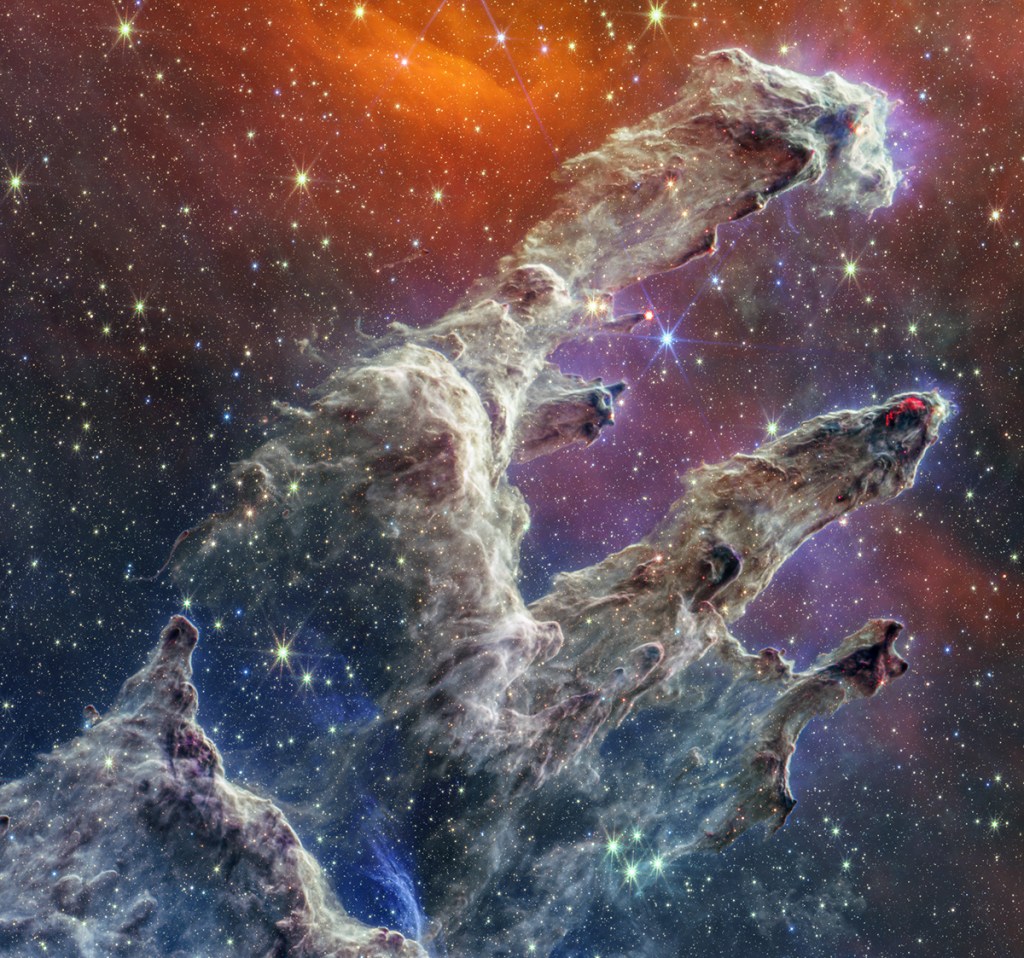
Many night-sky enthusiasts subscribe to astronomy magazines or visit websites for the latest space news. Doing so regularly will keep you up-to-date on current and upcoming celestial events and astronomical discoveries. These are the sites we recommend for accurate astronomy and space science news.
Sky & Telescope: U.S. monthly magazine
Astronomy: U.S. monthly magazine
Ciel & Espace: French bimonthly magazine
BBC Sky at Night: British monthly magazine
Astronomy Now: U.K. monthly magazine
RASC Night Sky Guide: Annual guide to what’s up (link is for 2027 edition)
EarthSky: Daily update on the cosmos
Universe Today: News and podcasts
Science @ NASA: Science news from NASA’s missions
James Webb Space Telescope: The latest from JWST, from the actual NASA site, not fake sites and Facebook pages!
Astronomy Textbook: Free online introductory astronomy textbook
Astronomy Clubs and Star Parties
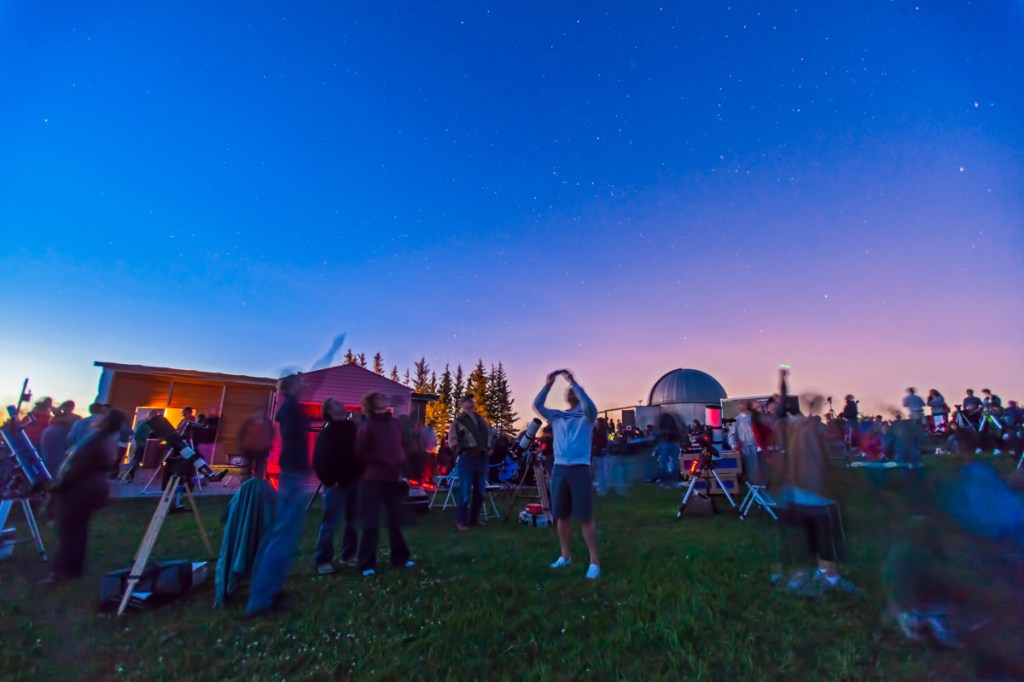
One of the best decisions you can make as you pursue your interest in stargazing is to join an astronomy club. These links will help you find a club near you and star parties in your area.
Astronomical League: Over 300 clubs in 10 U.S. regions and one international region
Night Sky Network: To find a local U.S. club near you
Go Astronomy: Astronomy clubs by state in the U.S.
The Royal Astronomical Society of Canada: Local branches in all major Canadian cities
Sky & Telescope’s Community Page: Astronomy clubs, events and more
RASC Star Parties: A list of events in Canada by month with contact links
Go Astronomy: A list of star parties in the U.S., Canada, U.K. and Australia
British Astronomical Association: One of the world’s leading amateur astronomy groups
Auroras, Meteor Showers, Satellites and More
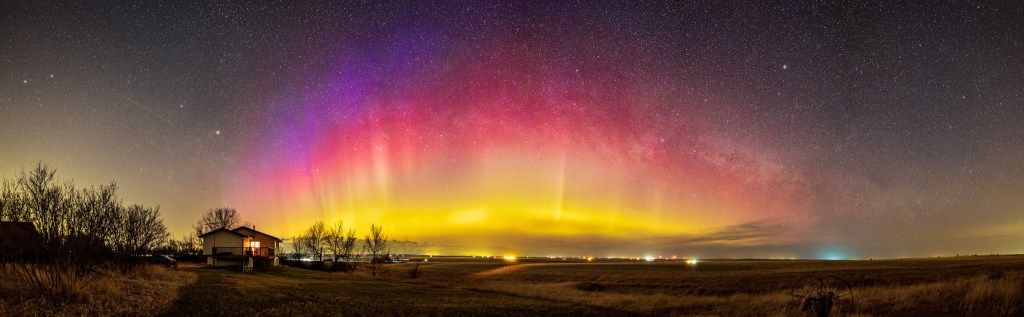
Many night-sky sights can be easily seen with nothing more than your eyes; others require a telescope. These websites will help you find information on a variety of celestial phenomena and tell you when and where to look.
NOAA Space Weather Prediction Center: Technical site from NOAA that supplies most data for aurora forecast apps
University of Alaska Geophysical Institute: Maps show regional predictions for auroras
SpaceWeather.com: Alerts for meteor showers, comets, solar activity and auroras
The Sky Live: Commercial site with information on sky events and finder charts for comets, asteroids, planets and more
AAVSO Program: Participate in scientific discovery through variable-star observing
Heavens Above: Enter your location for local times and sky tracks for bright Earth satellites
Time and Date: Worldwide times of Sun and Moon rise/set, twilight and more
In-the-Sky: Guides to events in the night sky
Sky & Telescope’s Astronomical Tools: Interactive apps to help you plan your observing sessions
International Dark-Sky Association: Help protect the night from light pollution
Sun, Moon and Eclipses
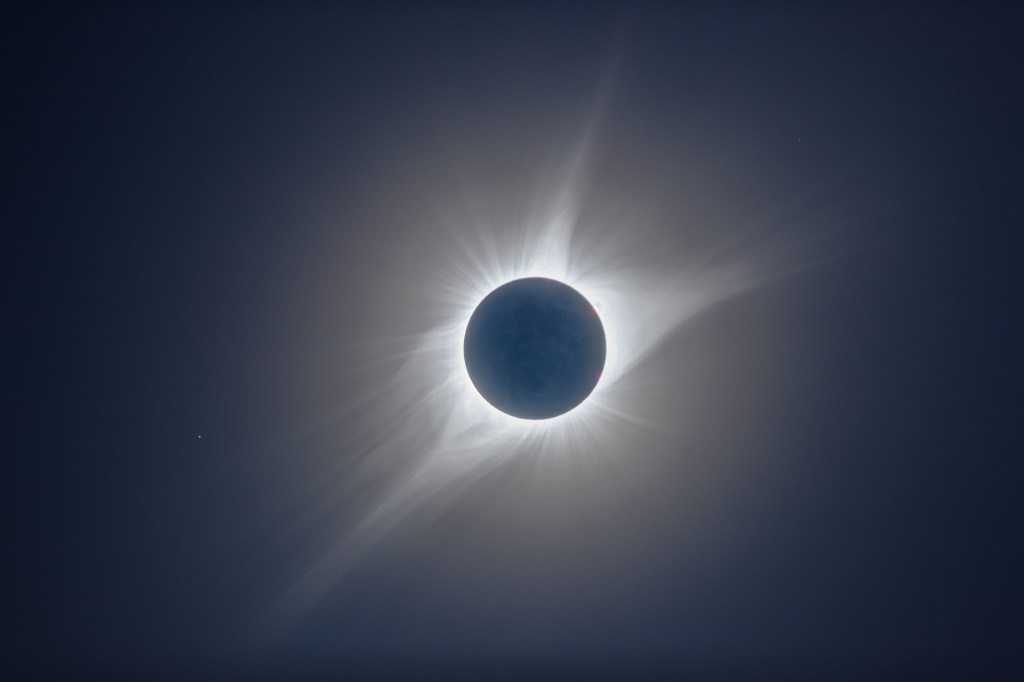
The sight of your first total eclipse of the Sun will whet your appetite for more. Perhaps you saw the April 8, 2024 total solar eclipse and want to see another. The links below take you to authoritative sites for maps and times for coming solar and lunar eclipses. While the Sun and Moon are easy targets, extreme care must be taken when looking at the Sun. Our first website recommendations deal with safe gear for viewing the Sun.
AAS Eclipse Guide: The American Astronomical Society’s guide to the 2024 total solar eclipse, still with useful information about all eclipses
Sun Funnel: A DIY project that allows groups to safely observe the Sun
Eclipsophile: Climatology and weather for upcoming total solar eclipses
EclipseWise.com: Prediction details about upcoming solar and lunar eclipses
Eclipse Paths: Interactive maps show the paths of past and future solar eclipses
Moon Phases: Displays the current lunar phase plus downloadable hi-res, labeled Moon images
Night Sky Software
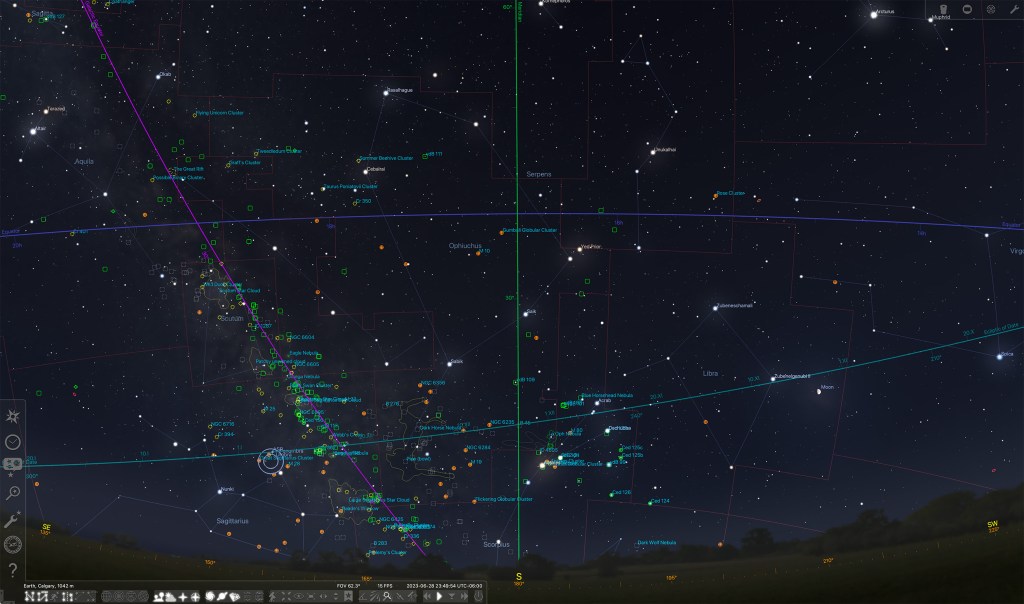
Dozens of planetarium programs are available, but here are three that we’ve used consistently. All are available in Mac and Windows versions and display strikingly realistic simulations of the night sky.
Stellarium: A free program (shown above) that will get you started and may be all you need
Starry Night: A popular desktop program that can also control your GoTo telescope
SkySafari: Excellent for smartphones and tablets; all you need is the basic app
Weather Predictions for Astronomers
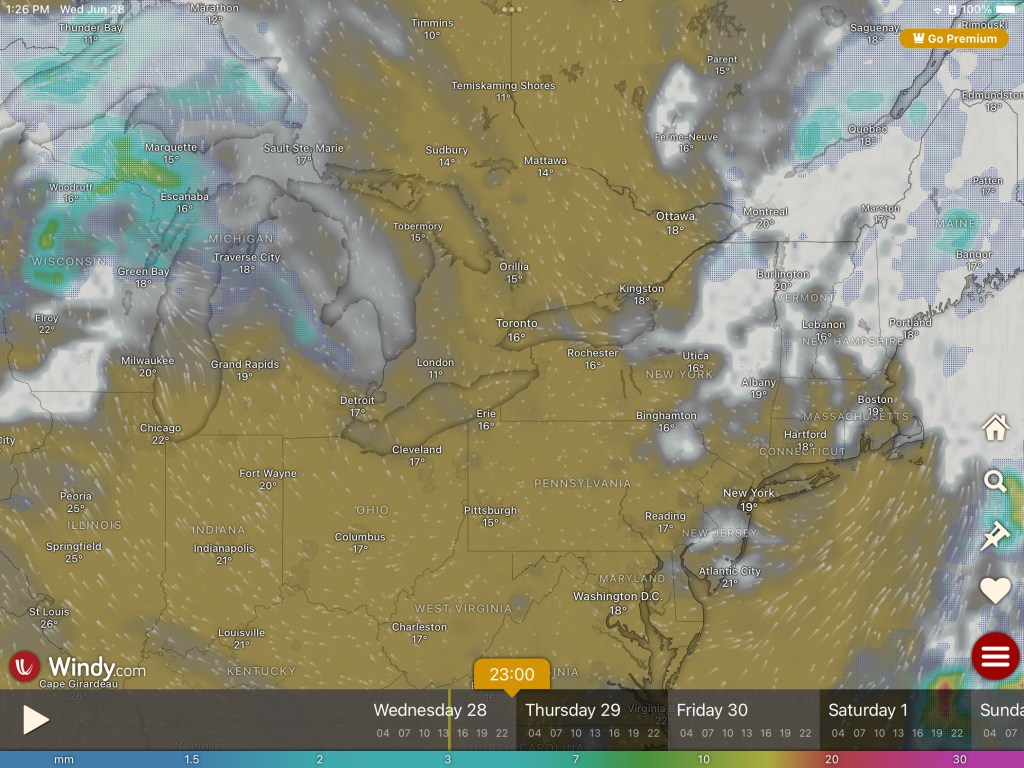
Here you’ll find weather information specifically for amateur astronomers, with predictions about cloud cover, transparency, seeing and more. In all cases, enter your location for a local forecast.
Windy.com: A favorite source for general worldwide weather (shown above)
Clear Sky Chart: 96-hour forecast for Canada, the U.S. and parts of Mexico
Astrospheric: Forecasts updated four times daily for Canada and the U.S.
Clear Outside: Worldwide hourly cloud and weather forecasts for seven days
Interactive Light Pollution Map: To help you find a good dark sky site
Hardware Reviews and Telescope Performance
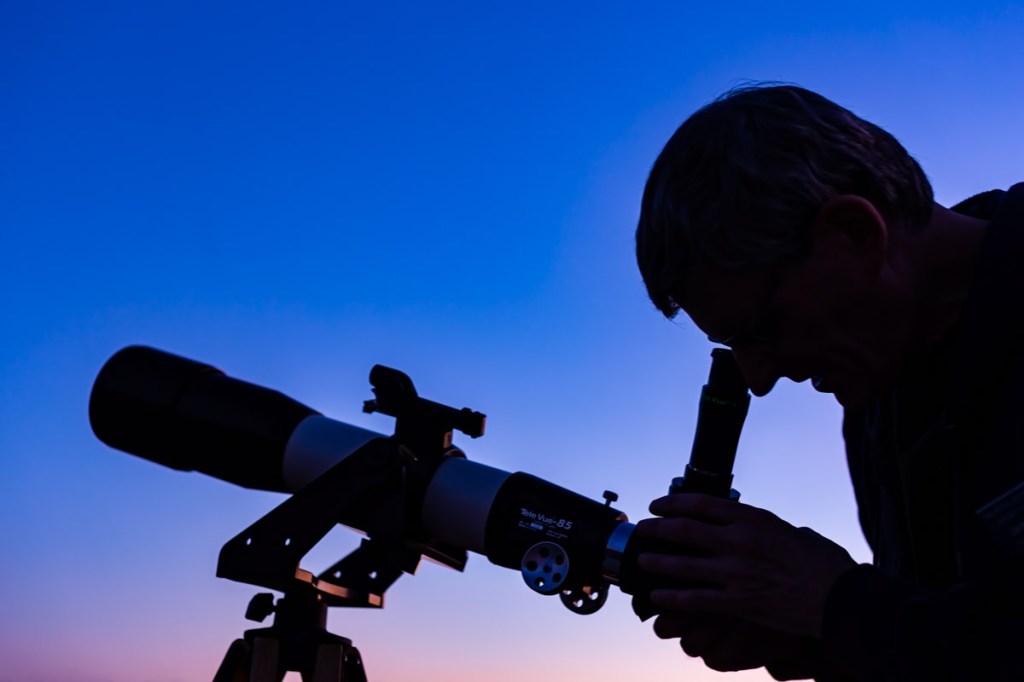
As a supplement to Chapter 5 in NightWatch, the first two sites below will be useful in your search for a good-quality telescope. Once you have a scope, the last two sites will help you determine basic telescope information, such as field of view and magnification.
ScopeTrader: A new website and monthly magazine devoted to astronomy equipment news and reviews.
TelescopicWatch: For beginners wondering about the equipment needed to explore the sky
Sky & Telescope’s Telescope Calculator: How different eyepieces affect your telescope’s performance
Astronomy Tools: Calculators for telescopes, binoculars and more
Observatories and Planetariums
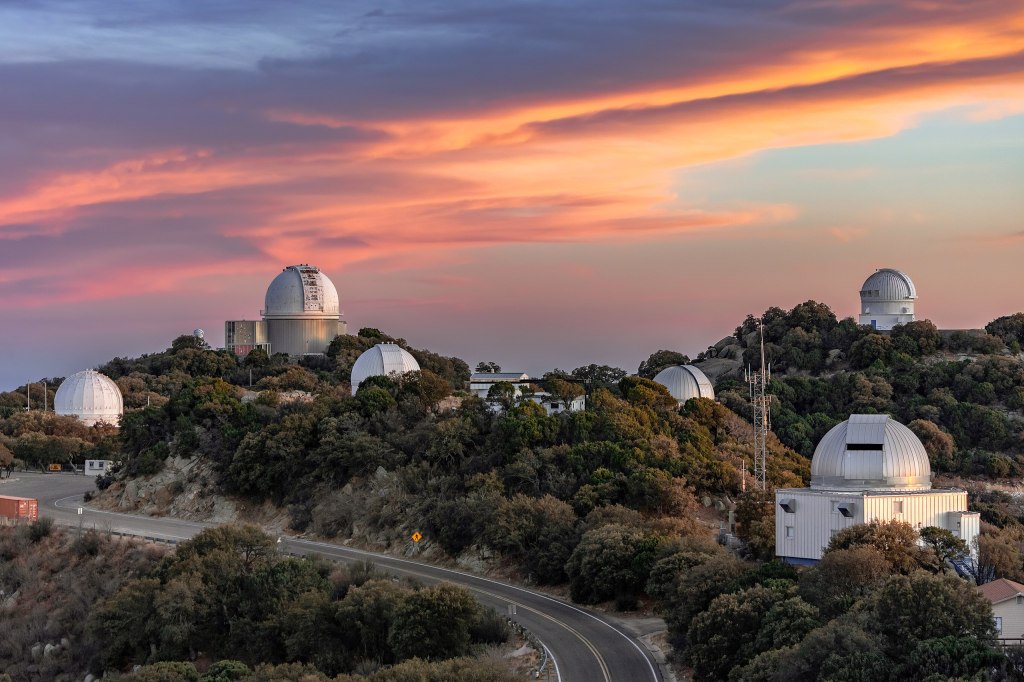
A visit to a major astronomical observatory or a planetarium can be a pivotal event for a burgeoning amateur astronomer. In the Resources section of NightWatch, we mention several observatories with public programs that are worth visiting. Here are the relevant websites and a link to search for a planetarium near you.
Palomar Observatory, Mount Palomar, California
Kitt Peak National Observatory, Tucson, Arizona
Maunakea, Hawaii
Mount Wilson Observatory, Pasadena, California
Lick Observatory, San Jose, California
McDonald Observatory, Fort Davis, Texas
Lowell Observatory, Flagstaff, Arizona
Very Large Array Radio Telescope, Socorro, New Mexico
International Planetarium Society: A searchable database of planetariums worldwide
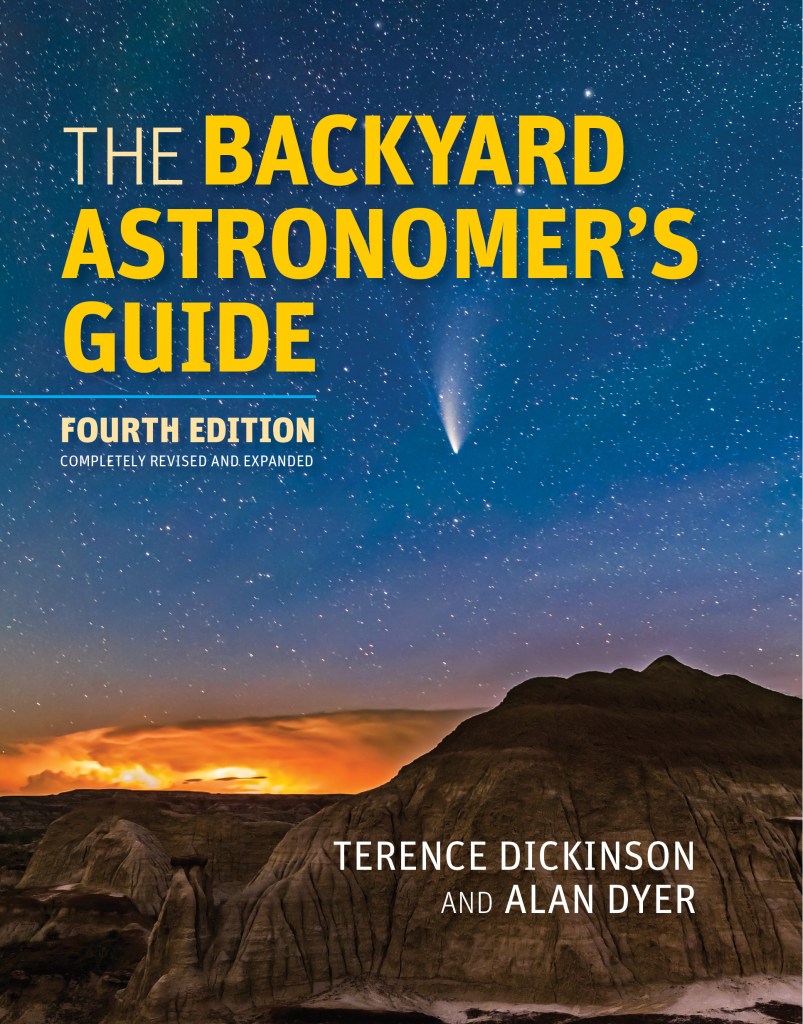
Finally, we’d be remiss if we didn’t point you to The Backyard Astronomer’s Guide by Terence Dickinson and Alan Dyer. As the sequel to NightWatch, this book is aimed at those looking for even more detailed and advanced information on stargazing, equipment and astrophotography. With the fourth edition (2021), the book has been substantially revised and expanded. Further updates appear in a 2026 printing.
Learn more about the book’s content at its supporting website BackyardAstronomy.com.
Like NightWatch, The Backyard Astronomer’s Guide is available wherever books are sold.
YouTube Channels of Value to Beginners
Astronomy YouTube channels abound. Here are a few we like for beginner astronomers, and for authoritative information about headline space news.
SPACE NEWS UPDATES FROM AUTHORITATIVE SOURCES!

